
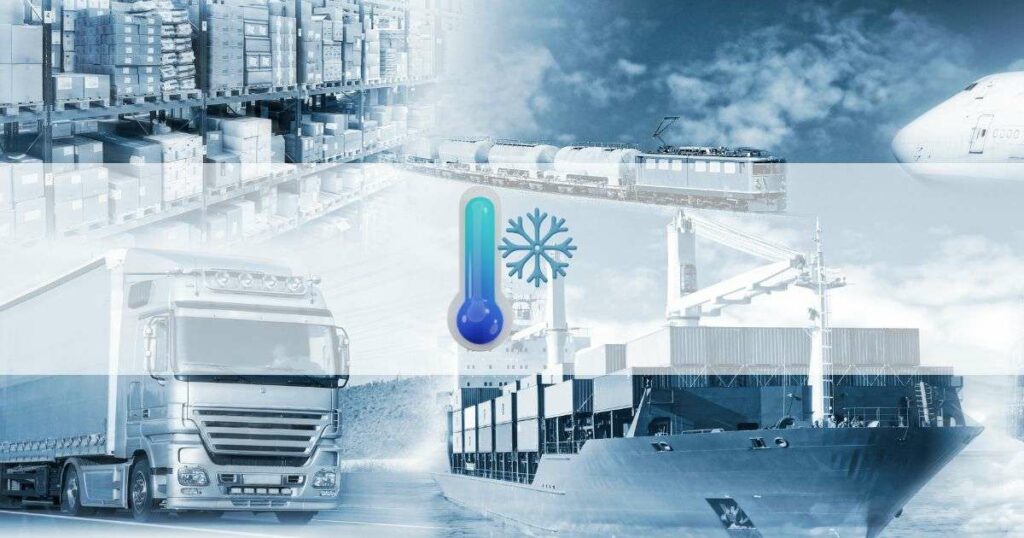
From life-saving medicines to food that nourishes communities, temperature-controlled transport keeps the world moving.
Refrigerated vans, trucks, and trailers protect perishable goods from origin to destination — connecting producers, suppliers, and people — while keeping the supply chain stable when it matters most.
But the challenge never stops. Even with advanced systems, temperature deviations, delays, or equipment failures can cause spoilage and losses. In the U.S. alone, up to 40% of food is wasted each year, costing over $160 billion.
How It Works: The Technology Behind the Cold Chain
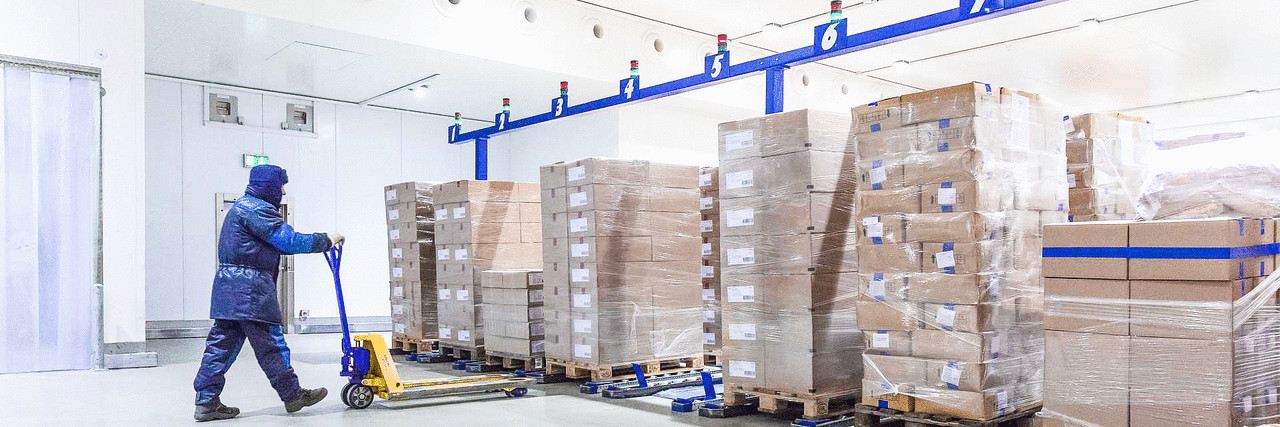
Temperature-controlled logistics relies on specialized vehicles, insulated packaging, and monitoring systems that track temperature, humidity, and door openings throughout the journey.
Standards such as Good Distribution Practices (GDP) for pharmaceuticals andHazard Analysis and Critical Control Points (HACCP) for food ensure that every step meets strict regulatory requirements.
For fleet operators, these aren’t abstract rules — they define daily operations. Effective cold chain management, real-time monitoring, and compliance systems are essential to prevent product spoilage, avoid costly regulatory breaches, and protect margins and customer trust.
The Challenges of Cold Chain Management
Even with the right vehicles, monitoring systems, and compliance standards, managing a temperature-controlled fleet comes with constant challenges:
- Equipment failures: Maintaining precise temperatures is critical, but the cold chain is constantly threatened by refrigeration unit breakdowns, poorly insulated trailers, or unstable power supply. These issues quickly lead to costly temperature deviations, product spoilage, or regulatory violations.
- Human error: The integrity of the cold chain is fragile and heavily dependent on personnel. Incorrect loading procedures, inadequate pre-trip checks, or lack of driver training can compromise product quality and disrupt the journey.
- External conditions: Factors beyond the driver’s control — such as extreme weather or unexpected delays (traffic, road closures) — further increase risks and require fleet managers to react quickly.
- Regulatory complexity: As mentioned, cold chain operations must comply with strict standards such as GDP and HACCP. Meeting these requirements demands meticulous monitoring, accurate documentation, and consistent operational discipline.
Effective cold chain management requires a combination of technology, skilled personnel, and rigorous operational protocols — ensuring that perishable products arrive at the right temperature, maintain their quality, and meet all compliance requirements.
Technology That Protects Perishable Goods
In temperature-controlled logistics, even a small temperature variation can compromise products.
Heated-lens cameras inside refrigerated trucks provide continuous load visibility, while sensors monitor temperature and humidity in real time, sending instant alerts if conditions move outside safe limits.
Predictive systems keep refrigeration units efficient, identifying potential failures before they disrupt shipments.
Together, these tools ensure perishable goods are transported safely, consistently, and in full regulatory compliance.
Additionally, AI-powered cameras installed inside and around vehicles help keep drivers alert and add an extra layer of security — preventing theft and protecting the cargo during transit.
Route Optimization and Mobile Workforce Management
Technology doesn’t stop at the truck.
Intelligent routing software maps the fastest and most reliable paths, helping drivers avoid traffic, delays, and extreme temperatures.
Real-time fleet monitoring and safety tools allow managers to respond immediately to road closures, technical issues, or unforeseen events — keeping deliveries on time and cargo protected.
Fleet management software provides complete visibility: GPS tracking and digital logs show where all refrigerated vans and trucks are, while alerts for temperature or route deviations enable proactive intervention.
Together, these systems give fleet managers control over the entire journey — reducing waste, protecting perishables, and keeping operations smooth.
A Sustainable Future for Cold Chain Logistics
The journey of perishable goods is evolving — driven by technology and a growing focus on sustainability.
I Electric commercial vehicles from agile vans to powerful e-trucks — are leading the way, keeping temperature-sensitive cargo stable even in city traffic, while reducing emissions and noise.
The numbers tell the story:
Electric Refrigerated Vans
- Global market: from $2.2 billion in 2024 → $8.1 billion by 2033 (CAGR 17.8%)
- Europe: from $1.76 billion in 2025 → $9.09 billion by 2030
Electric Refrigerated Trucks
- Global market: from $1.12 billion in 2024 → $5.09 billion by 2033 (CAGR 16.7%)
- Europe: from $1.76 billion in 2025 → $9.09 billion by 2030
This isn’t just market growth — it’s a quiet revolution on the roads..
Every kilometer traveled with these vehicles preserves freshness, protects cargo, and shows what’s possible when efficiency, reliability, and sustainability drive the journey.
Conclusion
Temperature-controlled logistics providers transport life-saving medicines, fresh food, and other perishable goods with precision and reliability.
Refrigerated vehicles, sensors, and predictive systems monitor every stage, keeping cargo within safe limits and ensuring full regulatory compliance.
With electric vans and e-trucks entering fleets, the cold chain is becoming cleaner, more efficient, and ready for a sustainable future.
With Eteria fleet managers gain full operational control, real-time visibility, and stronger compliance — helping keep perishables safe while running a smarter, safer, and more efficient fleet.